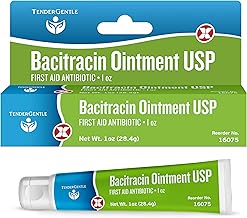
When it comes to minor injuries, preventing infection is the most critical step in the healing process. Among the most trusted and effective solutions is Bacitracin, a topical antibiotic that has been a first aid staple for decades. Specifically, formulations that combine Bacitracin with Zinc offer enhanced benefits for skin protection and recovery. This guide explores why Bacitracin Zinc Ointment is an indispensable part of your first aid kit.
What is Bacitracin Zinc Ointment?
Bacitracin is a polypeptide antibiotic derived from the bacterium *Bacillus subtilis*. It works by interfering with the cell wall synthesis of bacteria, effectively stopping their growth and preventing them from causing an infection. When combined with Zinc, the ointment gains additional properties. Zinc is a mineral known for its role in skin health, promoting cell regeneration, reducing inflammation, and creating a protective barrier over the wound. This powerful duo makes Bacitracin Zinc Ointment a superior choice for minor wound care.
Common Uses and Applications
The primary use of this topical antibiotic is for the prevention of infection in minor skin injuries. This includes:
Minor Cuts and Scrapes: After cleaning the wound with soap and water, applying a thin layer of ointment creates a barrier against common bacteria like Staphylococcus and Streptococcus.
First-Degree Burns: For minor burns, the ointment can soothe the skin and prevent bacterial invasion while the skin heals.
Abrations and Skin Irritation: It can also be used on minor skin irritations to keep the area moist and protected.
Products like the Bacitracin Antibiotic Ointment with Zinc USP - 1 oz are perfectly sized for home use, while bulk options like the MED PRIDE 4-Pack are ideal for workplaces, schools, or large families. For clinical or high-volume settings, a large 15 Oz. Jar offers great value.
Benefits of Choosing Bacitracin Zinc Formulations
Why choose a Zinc-infused antibiotic ointment? The benefits are clear:
Enhanced Healing: Zinc is clinically shown to accelerate wound healing by supporting collagen synthesis and epithelial cell growth.
Superior Moisture Barrier: The ointment base keeps the wound bed moist, which is conducive to faster healing and can help minimize scarring.
Broad-Spectrum Protection: It effectively targets a wide range of bacteria responsible for skin infections.
Some modern formulations add extra soothing ingredients. For example, the Bacitraycin Plus includes Aloe Vera for added moisturizing and calming effects on the skin.
How to Use It Effectively
Proper application is key to maximizing the benefits of Bacitracin for infection prevention.
- Clean the Wound: Gently wash the affected area with mild soap and water, and pat dry.
- Apply a Thin Layer: Using a clean finger or cotton swab, apply a small amount of ointment directly to the injury. A little goes a long way.
- Cover if Necessary: For cuts or scrapes in areas that might get dirty, cover with a sterile bandage or gauze.
- Reapply Regularly: Reapply the ointment and change the bandage 1 to 3 times daily, or whenever the area becomes soiled.
For convenient, single-use applications, especially on the go, consider products like the Globe 144 Packets. These are perfect for travel kits, backpacks, or distributed first aid stations.
Bacitracin in Combination Therapies
While Bacitracin Zinc is highly effective on its own, it is also a key component in popular combination antibiotic ointments. The most famous is Neosporin, which is a triple antibiotic containing Bacitracin Zinc, Neomycin, and Polymyxin B. This combination, found in products like Neosporin Original, offers an even broader spectrum of antibacterial activity. For those seeking comprehensive information on these options, our comprehensive guide to Bacitracin uses and alternatives provides valuable insights.
Safety and Precautions
Bacitracin Zinc Ointment is generally safe for most people when used as directed for minor, external wounds. However, it's important to remember:
- For External Use Only: Do not use in the eyes, mouth, or on deep, puncture, or serious burns.
- Watch for Allergies: Although rare, some individuals may be allergic to Bacitracin. Discontinue use if you notice increased redness, itching, or swelling.
- Consult a Doctor: If the wound is deep, shows signs of infection (pus, spreading redness, fever), or does not start to heal within a few days, seek medical attention.
Whether you're stocking a home medicine cabinet, a workplace first aid station, or a travel health kit, having a reliable first aid antibiotic is non-negotiable. From the standard 1-oz tube to bulk multi-packs and large jars, there's a Bacitracin Zinc Ointment product to fit every need. By creating a protective, healing-friendly environment, it remains one of the simplest and most effective tools for promoting skin health and preventing complications from everyday minor injuries. For more detailed tips on application and wound management, check out our blog on Bacitracin Ointment as an essential first aid guide.